
PRATY

Pratyaksh

Categories
My Projects

Electromagnetic Suspension (Active Maglev with PID Control)

Capstone Project

Embedded Systems | Control Theory | Arduino | Electronics

Project Overview

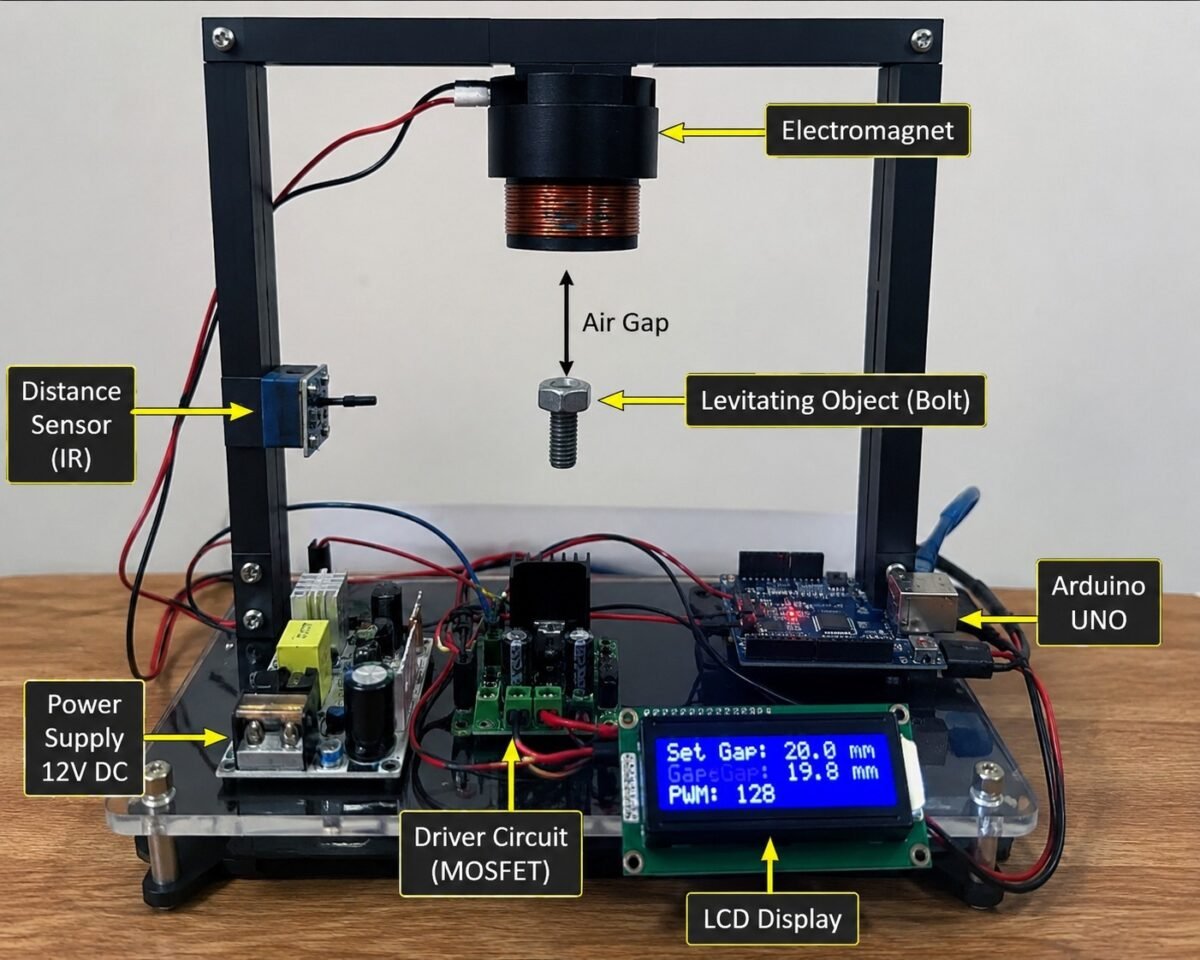
This capstone project demonstrates an active electromagnetic levitation system that suspends a steel bolt beneath an electromagnet using closed-loop PID (Proportional-Integral-Derivative) control. The system continuously measures the position of the levitating object and dynamically adjusts the magnetic field to maintain stable levitation in real time.

Project Objective

The objective was to design and build a stable magnetic levitation system capable of maintaining a constant air gap through continuous feedback control. The project combines principles from physics, mathematics, electronics, and embedded systems to demonstrate how real-time control can stabilise an inherently unstable system.

How It Works


An IR distance sensor continuously measures the position of the levitating steel bolt. The sensor data is processed by an Arduino UNO, where a PID control algorithm calculates the required correction. The Arduino regulates the current supplied to the electromagnet through a MOSFET driver circuit, continuously adjusting the magnetic force to maintain the desired levitation height. An LCD display provides real-time information on the target gap, measured distance, and PWM output.

Technologies & Components

Arduino UNO | Electromagnet | IR Distance Sensor | MOSFET Driver Circuit | 12V DC Power Supply | LCD Display

Skills Demonstrated

PID Control | Embedded Programming | Arduino Development | Circuit Design | Sensor Integration | Electronics Assembly | Real-Time System Control

Key Learning:

This project bridged physics, mathematics, and electronics demonstrating how control theory can stabilise an inherently unstable system. It deepened my understanding of feedback loops, electromagnetic forces, and real-time system control.

Categories
My Research Work

Habit Management and Student Well-Being

Date: January – February 2025

Grade 9th

What Inspired Me to Explore This Topic?

As a high school student, I often observe how academic pressure, deadlines, and extracurricular commitments make it difficult for students to maintain healthy daily habits. Many students struggle with procrastination, irregular sleep schedules, poor time management, and a lack of balance between academics and personal well-being. This motivated me to investigate the relationship between habit management, productivity, and overall well-being among teenagers.

Project Overview

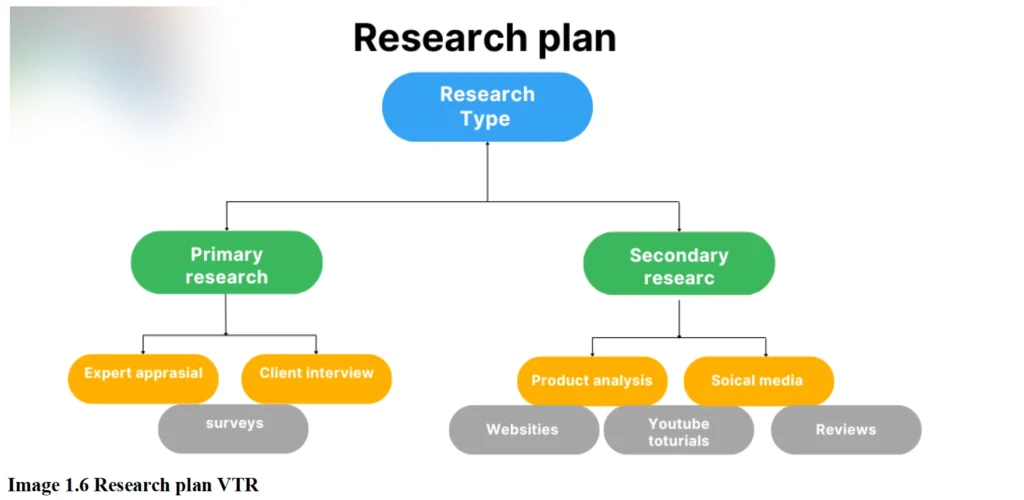
This research explores how poor time management and procrastination can disrupt essential habits such as sleeping, eating, exercising, and maintaining a healthy routine. Through surveys, interviews, literature review, and product analysis, I examined the challenges faced by high school students and evaluated potential solutions that could encourage positive behavioral change.

Based on the findings, I designed a physical habit-tracking system aimed at helping students build consistency, improve self-discipline, and develop healthier daily routines through visual progress tracking and habit reinforcement.

Key Outcomes

  • Identified procrastination and poor time management as major barriers to habit formation among students.
  • Explored the impact of disrupted habits on mental well-being, stress levels, and academic performance.
  • Developed a habit-tracking solution that combines daily and long-term progress monitoring.
  • Applied principles of user-centered design to create an engaging, practical, and accessible tool for students.

Real-World Relevance

The challenges explored in this project are experienced by students worldwide. Research consistently shows that effective habit formation and time management contribute to improved academic performance, reduced stress, and better overall well-being. The concepts investigated in this project can be applied in schools, homes, and personal development programs to help students establish sustainable habits and achieve long-term goals.

Best Way To Design

Lorem Ipsum is simply dummy text of the printing and typesetting industry. Lorem Ipsum has been the industry’s standard dummy text ever since the 1500s, when an unknown printer took a galley of type and scrambled it to make a type specimen book. It has survived not only five centuries, but also the leap into electronic typesetting, remaining essentially unchanged. It was popularised in the 1960s with the release of Letraset sheets containing Lorem Ipsum passages, and more recently with desktop publishing software like Aldus PageMaker including versions of Lorem Ipsum.

First, solve the problem. Then write the code.

It is a long established fact that a reader will be distracted by the readable content of a page when looking at its layout. The point of using Lorem Ipsum is that it has a more-or-less normal distribution of letters, as opposed to using ‘Content here, content here’, making it look like readable English. Many desktop publishing packages and web page editors now use Lorem Ipsum as their default model text, and a search for ‘lorem ipsum’ will uncover many web sites still in their infancy. Various versions have evolved over the years, sometimes by accident, sometimes on purpose (injected humour and the like).

In some ways, programming is like painting. You start with a blank canvas and certain basic raw materials. You use a combination of science, art, and craft to determine what to do with them.

The standard chunk of Lorem Ipsum used since the 1500s is reproduced below for those interested. Sections 1.10.32 and 1.10.33 from “de Finibus Bonorum et Malorum” by Cicero are also reproduced in their exact original form, accompanied by English versions from the 1914 translation by H. Rackham.

Contrary to popular belief, Lorem Ipsum is not simply random text. It has roots in a piece of classical Latin literature from 45 BC, making it over 2000 years old. Richard McClintock, a Latin professor at Hampden-Sydney College in Virginia, looked up one of the more obscure Latin words, consectetur, from a Lorem Ipsum passage, and going through the cites of the word in classical literature, discovered the undoubtable source. Lorem Ipsum comes from sections 1.10.32 and 1.10.33 of “de Finibus Bonorum et Malorum” (The Extremes of Good and Evil) by Cicero, written in 45 BC. This book is a treatise on the theory of ethics, very popular during the Renaissance. The first line of Lorem Ipsum, “Lorem ipsum dolor sit amet..”, comes from a line in section 1.10.32.

Categories
My Internship

Solids works 3D Printing & Additive Manufacturing Internship

Jet Aerospace Aviation Research Center | IHFC, IIT Delhi

View Certificate

View Letter of Recommendation

CAD Design | Additive Manufacturing | Rapid Prototyping | Aerospace Engineering

Internship Overview

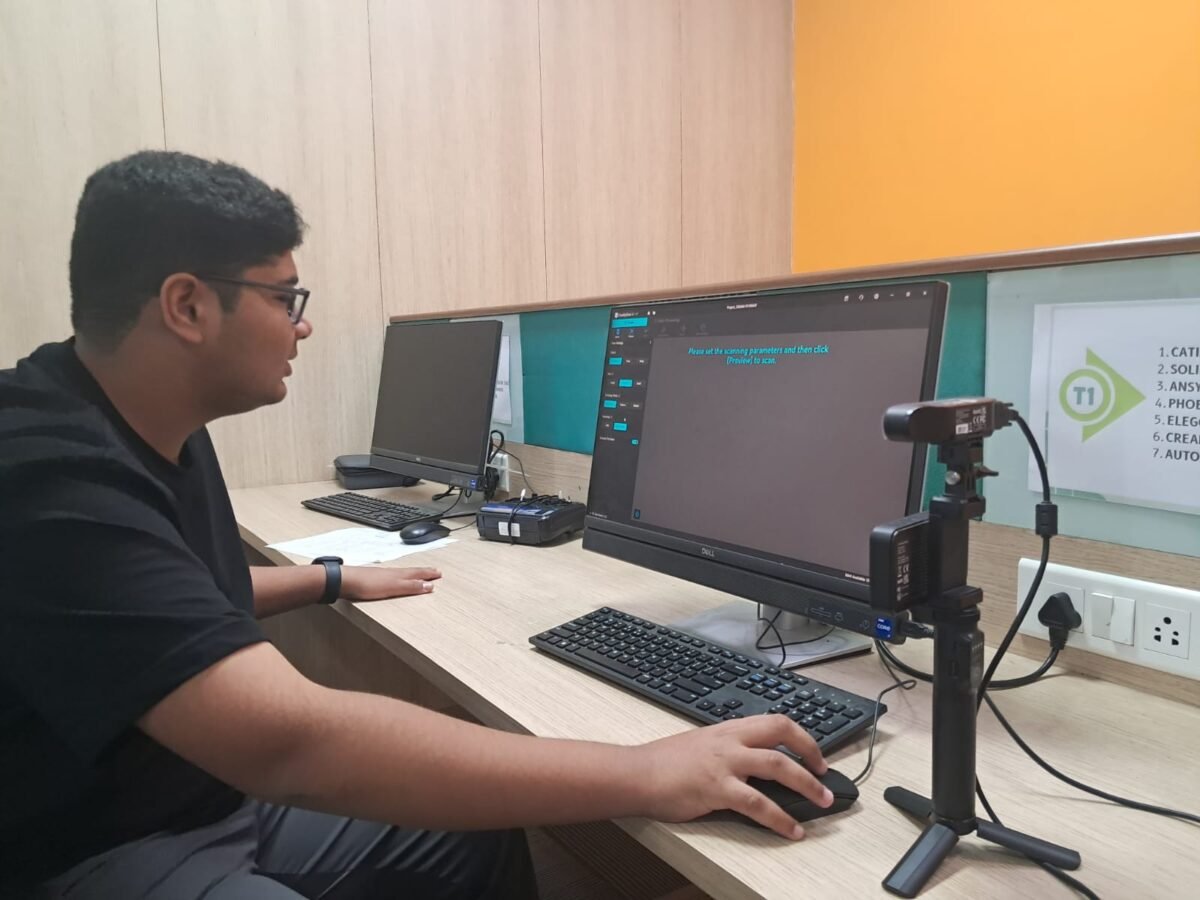
This internship provided hands-on experience in the complete engineering product development cycle, from digital design to physical prototype fabrication. Conducted by Jet Aerospace Aviation Research Center in collaboration with IHFC, IIT Delhi, the programme introduced me to the practical applications of CAD modelling, additive manufacturing, and aerospace design.

My interest in engineering design began with learning SolidWorks through Coursera, where I developed foundational CAD modelling skills. Wanting to understand how digital designs are transformed into real-world products, I joined this internship to gain practical experience in prototype development and advanced manufacturing technologies.

The objective of the internship was to develop practical skills in 3D CAD modelling, additive manufacturing, and rapid prototyping while understanding how engineering designs move from concept to physical production.

Engineering Experience

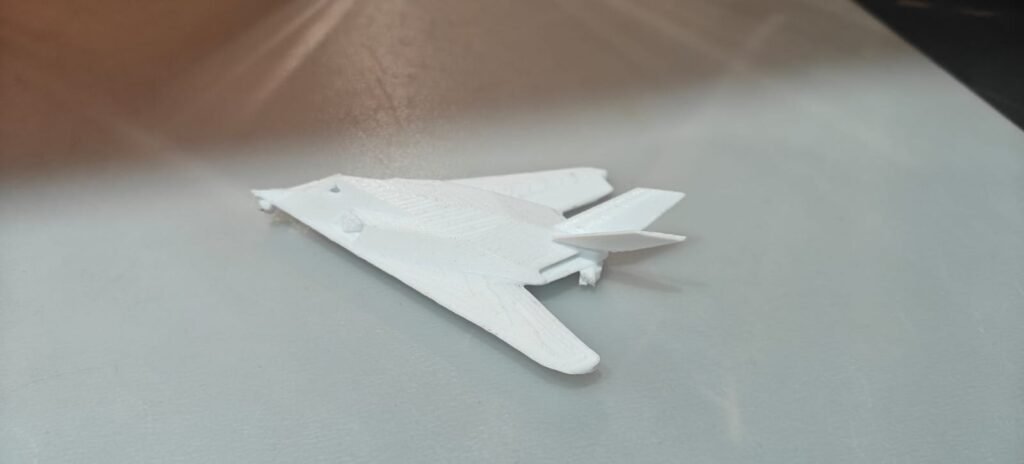
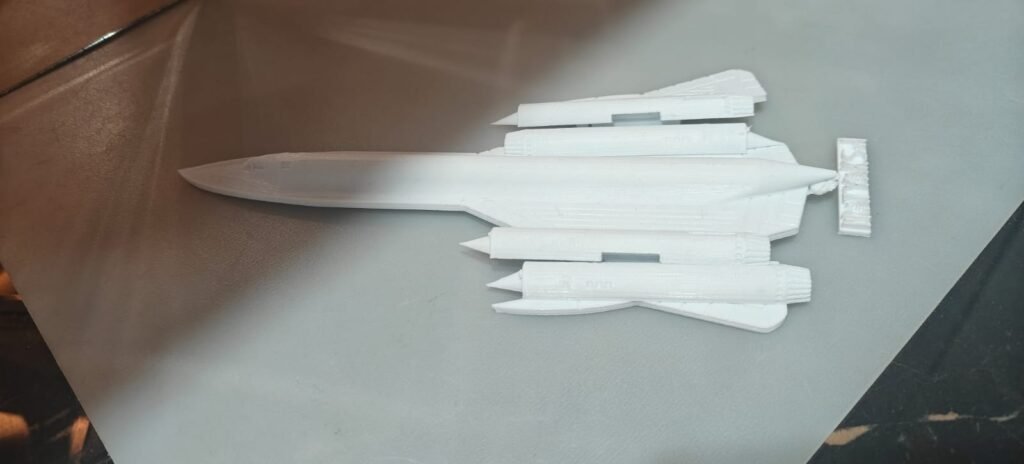
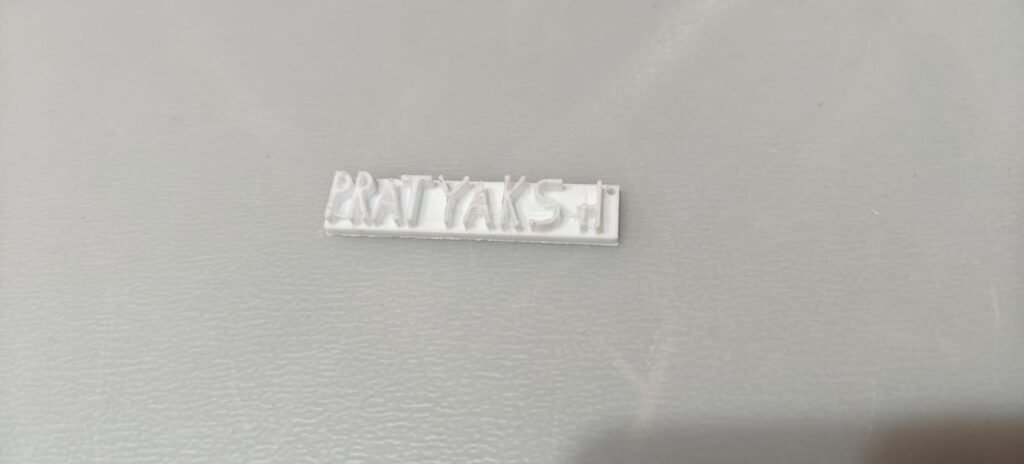
During the five-day programme, I designed a jet aircraft model using CAD software and prepared it for additive manufacturing. The digital model was then converted into a physical prototype using 3D printing technology, providing first-hand experience of the complete design-to-manufacturing workflow.

The internship also introduced me to engineering considerations such as design optimization, manufacturability, material selection, print preparation, and prototype evaluation, reinforcing the importance of precision and iterative design in engineering.

Software SolidWorks | CAD Modelling Software

Technologies 3D Printing | Additive Manufacturing | Rapid Prototyping | Aerospace Design

Engineering Concepts: This internship strengthened my understanding of Computer-Aided Design (CAD), Additive Manufacturing, Product Development, Rapid Prototyping, Design for Manufacturing (DFM), Material Selection, Aerospace Engineering Principles, and Digital-to-Physical Manufacturing.

Technical Skills Developed: Throughout the internship, I developed practical skills in 3D CAD Modelling, Engineering Design, Prototype Development, 3D Printing, Product Visualization, Design Optimization, Manufacturing Processes, and Technical Problem Solving.

Outcome

Successfully designed and manufactured a 3D-printed jet aircraft prototype, gaining hands-on experience in modern engineering workflows from digital modelling to physical fabrication. The internship concluded with the award of a Certificate of Completion and a Letter of Recommendation recognising my technical aptitude, creativity, and commitment to engineering.

Key Learning

This internship demonstrated how engineering extends beyond digital design by integrating modelling, manufacturing, testing, and continuous refinement into a single development process. It strengthened my understanding of how additive manufacturing is transforming modern product development and reinforced my interest in mechanical engineering, mechatronics, and advanced manufacturing technologies.

Categories
My Internship

IIT Delhi Innovation Immersion Program

Metamorphosis | IIT Delhi
Design Thinking | Embedded Systems | IoT | Rapid Prototyping

Program Overview

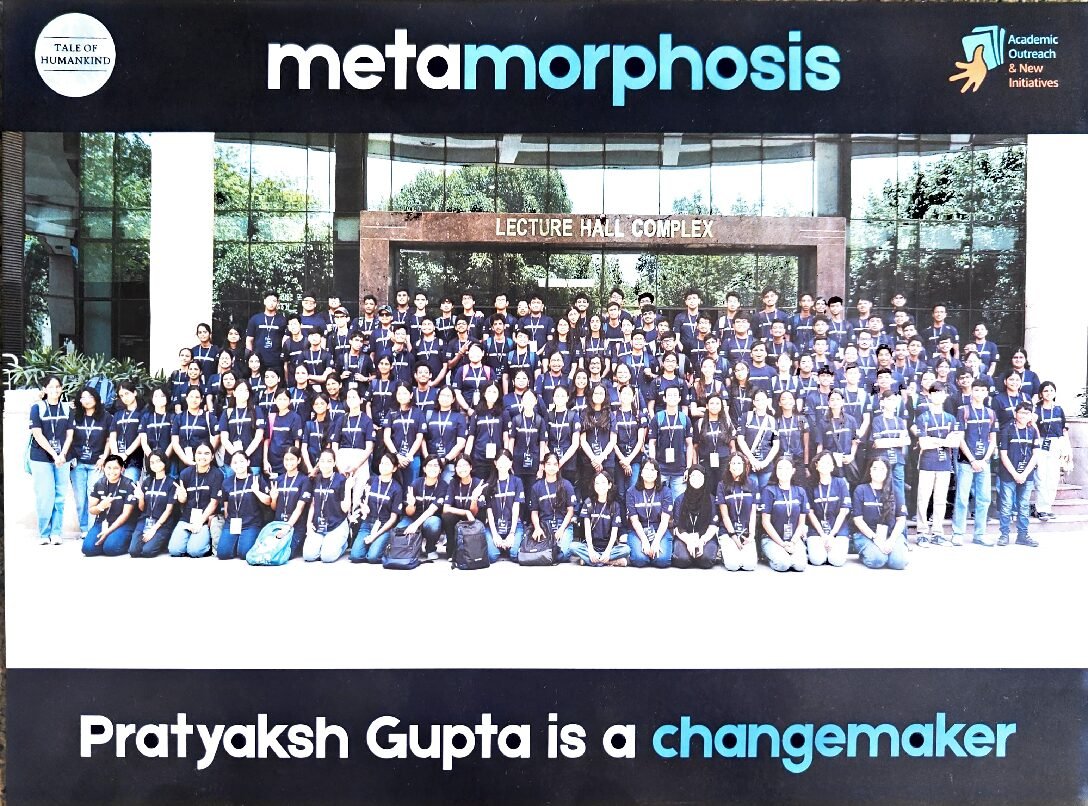
Selected from approximately 180 students nationwide, I participated in an 8-week Innovation Immersion Program conducted by Metamorphosis at IIT Delhi. The programme was structured into four phases, combining independent research, engineering design, prototype development, and technical presentations.

The first phase was conducted online, where participants independently selected a research topic and carried out technical research and analysis. My research focused on “E20 Fuel Blend (20% Ethanol & 80% Petrol): A 10-Year Outlook,” examining its potential impact on sustainable transportation, fuel efficiency, environmental sustainability, and the future adoption of alternative fuels over the next decade.

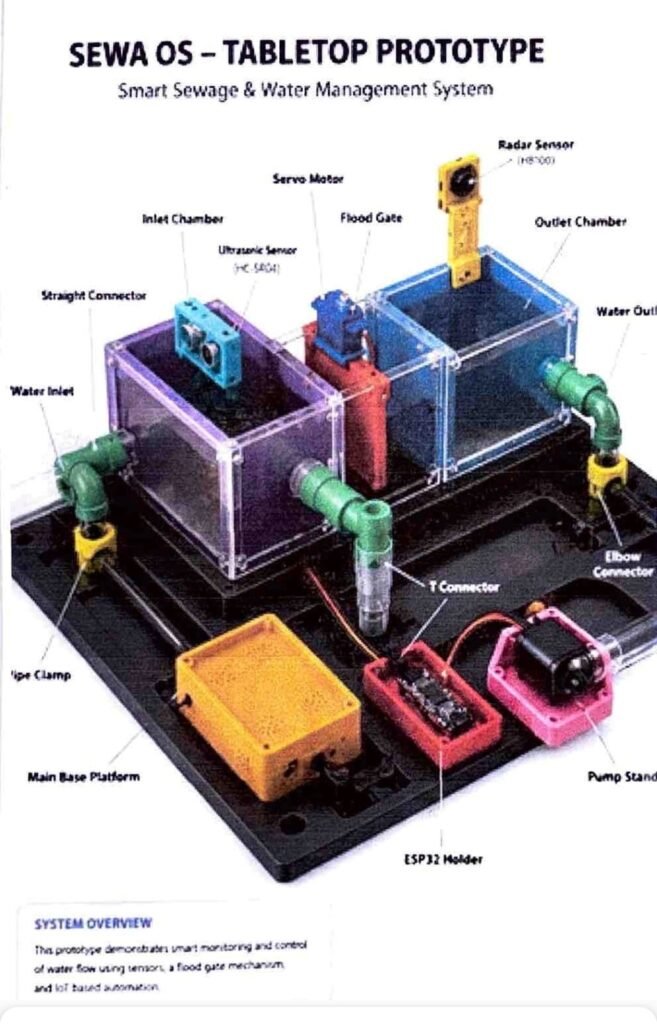
The second phase took place on campus at IIT Delhi, where participants worked in multidisciplinary teams to solve an engineering challenge assigned by the faculty. As part of a four-member team, I contributed to the development of SEWA (Smart Sewage & Water Management System), an intelligent system designed to monitor water levels, detect flooding conditions, and automatically regulate water flow using sensor-based technology.

During the third phase, our team presented the working prototype and demonstrated its functionality to faculty members, mentors, and the Chief Guest, explaining the engineering concepts, system design, and practical applications of the solution.

Project

Working in a four-member team, we developed SEWA (Smart Sewage & Water Management System), an IoT-based solution designed to monitor water levels, detect flooding conditions, and automatically regulate water flow through an intelligent floodgate mechanism.

My Contribution

I contributed to the mathematical modelling, engineering calculations, prototype assembly, sensor integration, system testing, and the final technical presentation, explaining the working principles and potential real-world applications of the solution.

Skills Developed

Engineering Design • Design Thinking • Embedded Systems • IoT • Mathematical Modelling • Rapid Prototyping • Team Collaboration • Technical Presentation

Outcome

Successfully completed the 8-week innovation programme, developed and demonstrated a working prototype of an intelligent water management system, completed an independent research project, and received a LOR while gaining valuable exposure to engineering research, collaborative innovation, and problem-solving at IIT Delhi.

Categories
My Research Work

Theory of Knowledge (TOK) Exhibition

Critical Thinking | Research | Philosophy | Communication

TOK Prompt:

Can new knowledge change established values or beliefs?

Overview:

As part of the International Baccalaureate (IB) Theory of Knowledge programme, I explored how new knowledge influences established beliefs and values across different areas of society. Through independent research and critical analysis, I examined three real-world objects that demonstrate how scientific discoveries, ethical awareness, and technological advancements have challenged long-held assumptions and reshaped human understanding.

Exhibition Focus

The exhibition explored how knowledge evolves over time and how new discoveries can influence individual perspectives, societal values, and long-standing beliefs. The project required evaluating evidence, analysing different viewpoints, and connecting real-world examples to broader philosophical questions.

Objects Explored

Tony’s Chocolonely 🍫

Explored how increased awareness of unethical labour practices within the chocolate industry has influenced consumer behaviour and ethical decision-making.

Penicillin Mould

Examined how the discovery of penicillin transformed modern medicine by challenging existing medical practices and revolutionising the treatment of infectious diseases.

Galileo Galilei’s Telescope

Investigated how Galileo’s astronomical observations challenged centuries of accepted religious and scientific beliefs, fundamentally changing humanity’s understanding of the universe.

Research & Exhibition Process

The project involved Topic Selection | Independent Research | Evidence Analysis | Object Evaluation | Exhibition Design | Documentation | Oral Presentation. Each object was carefully selected and analysed to demonstrate a distinct perspective on how knowledge can reshape established beliefs and values.

Skills Developed

Throughout this exhibition, I strengthened my skills in Critical Thinking, Research & Analysis, Evidence Evaluation, Academic Writing, Public Speaking, Presentation Design, and Structured Communication while learning to examine complex questions from multiple perspectives.

Key Skills:
This exhibition taught me that knowledge is constantly evolving and that new discoveries often challenge accepted ideas, leading to changes in both individual perspectives and society as a whole. It strengthened my ability to analyse evidence critically, consider multiple viewpoints, and communicate complex ideas in a clear and structured manner.


Categories
My Projects

Vertical Axis Wind Turbine

School Project

View Document

View Video

Renewable Energy · Mechanical Design · Live Modelodel

Overview:

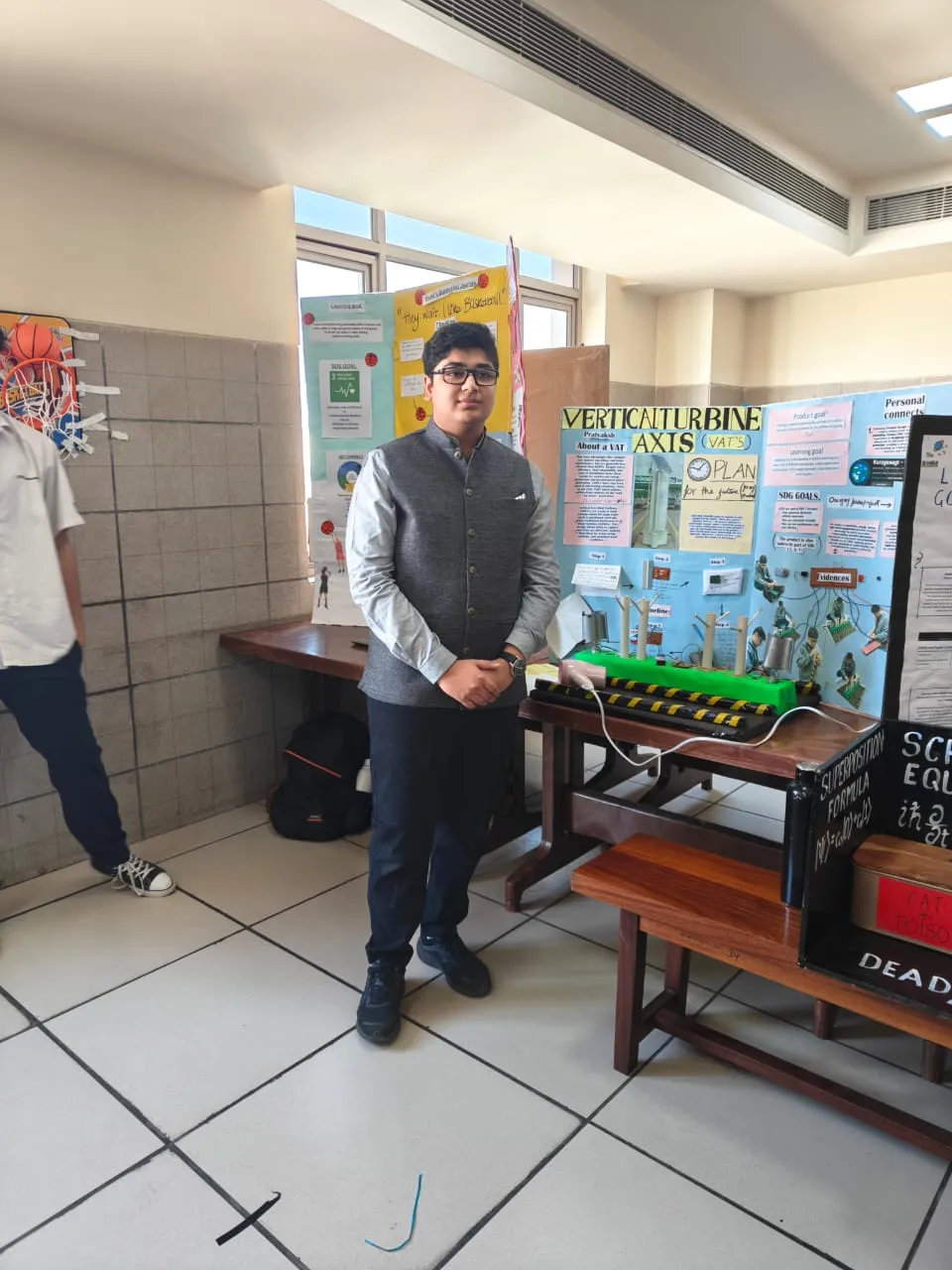
As part of my MYP Personal Project, I designed and built a working prototype of a Vertical Axis Wind Turbine (VAWT) a type of turbine where the main rotor shaft runs vertically, making it effective in capturing wind from any direction. Unlike a theoretical exercise, this project required me to physically construct, test, and troubleshoot a live functioning model, bringing together concepts from physics, mechanical design, and energy systems.

What I Did:

The project moved through three key phases initial concept development and planning, hands-on building and experimentation involving structure, wiring, and mechanical assembly, and finally a presentation where I explained the turbine’s function and design choices to evaluators. When early designs did not perform as expected, I had to revisit my approach, identify faults, and iterate experiencing firsthand that engineering is a process of continuous improvement rather than instant results.

Key Skills:
Mechanical Assembly · Renewable Energy Systems · Design Thinking · Problem Solving · Prototyping

Key Learning:

This project taught me that translating theoretical science into a working physical system requires patience, adaptability, and persistence. It deepened my interest in sustainable energy and mechanical design, and gave me confidence in tackling real engineering challenges. Most importantly, it showed me that the best learning happens when things don’t go according to plan and you have to find a way forward anyway.


Categories
My Projects

Designing a Human-Centered Habit Tracking System

Engineering Product Design Project | 2025 | MYP 4

View Document

Project Overview

This project focused on designing and developing a physical habit tracker to help high school students improve time management, build positive daily routines, and reduce procrastination. The solution combines product design principles with human-centered engineering to create an interactive, reusable, and engaging tool that encourages long-term habit formation while reducing digital distractions.

Project Objective

The objective was to develop a non-digital habit tracking system that enables students to organize their daily routines, monitor their progress, and build positive habits through an intuitive and interactive physical product. The project aimed to improve consistency, self-discipline, and overall well-being using thoughtful engineering design.

Final Product

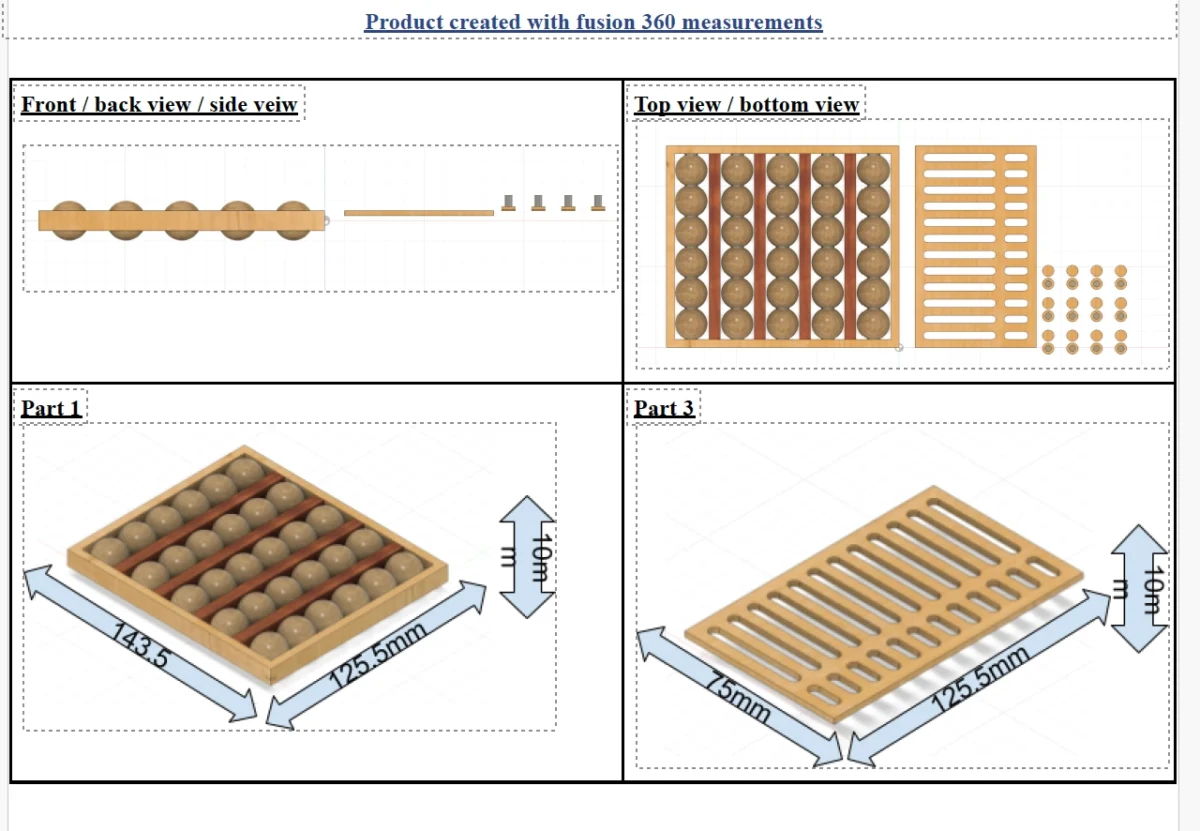
The final product is a portable wooden habit tracker featuring a dual tracking system that allows users to monitor both daily and long-term habits. It incorporates a dry-erase writing surface for customizable habits, mechanical tracking switches for daily progress, and a monthly bead-tracking mechanism that visually reinforces consistency over time. Designed to be reusable, lightweight, and distraction-free, the product provides an engaging alternative to digital habit-tracking applications.

Engineering Design Process

The project followed a structured engineering design process, progressing through Problem Identification | User Research | Product Analysis | Concept Development | CAD Modelling | Prototype Development | Manufacturing | Product Testing | User Evaluation | Design Improvements. Each stage contributed to refining the final solution by incorporating user feedback, evaluating design alternatives, and improving functionality, usability, manufacturability, and overall product performance.

Materials & Technologies Used

Materials Pine Wood | MDF Wood | Wooden Beads | Dry-Erase Surface | 3D Printed Components | Wood Polish & Adhesives

Software & Tools Fusion 360 | Laser Cutter | 3D Printer |Table Saw | Hand Drill | Sanding & Finishing Tools

Engineering Concepts

This project applied several engineering and product design principles, including Human-Centered Design, Product Design, Ergonomics, CAD Modelling, Rapid Prototyping, Material Selection, Design for Manufacturing (DFM), Sustainability, User Testing, and Iterative Design to create an effective and practical solution for everyday use.


Key Features

  • Dual habit-tracking system for daily and monthly progress
  • Interactive mechanical switches for tactile feedback
  • Dry-erase surface for customizable habit tracking
  • Visual progress tracking using color-coded beads
  • Lightweight, portable, and reusable design
  • Non-digital solution to reduce screen distractions

Skills Developed

Throughout this project, I strengthened my skills in Engineering Design, CAD Modelling (Fusion 360), Product Development, Research & User Analysis, Rapid Prototyping, 3D Printing, Laser Cutting, Manufacturing Techniques, Testing & Evaluation, and Problem Solving while gaining practical experience in transforming user needs into a functional engineering solution.


Key Learning

This project strengthened my understanding of the complete engineering product development cycle, from identifying a real-world problem to researching user needs, developing prototypes, manufacturing the final product, and evaluating its performance. It enhanced my ability to combine engineering principles with user-centered design while reinforcing the importance of iterative testing, material selection, and continuous improvement in developing practical solutions.

Categories
My Projects

F1 in Schools Engineering Design Exploration

Aerodynamics · CAD Design · Team Engineering

Overview:

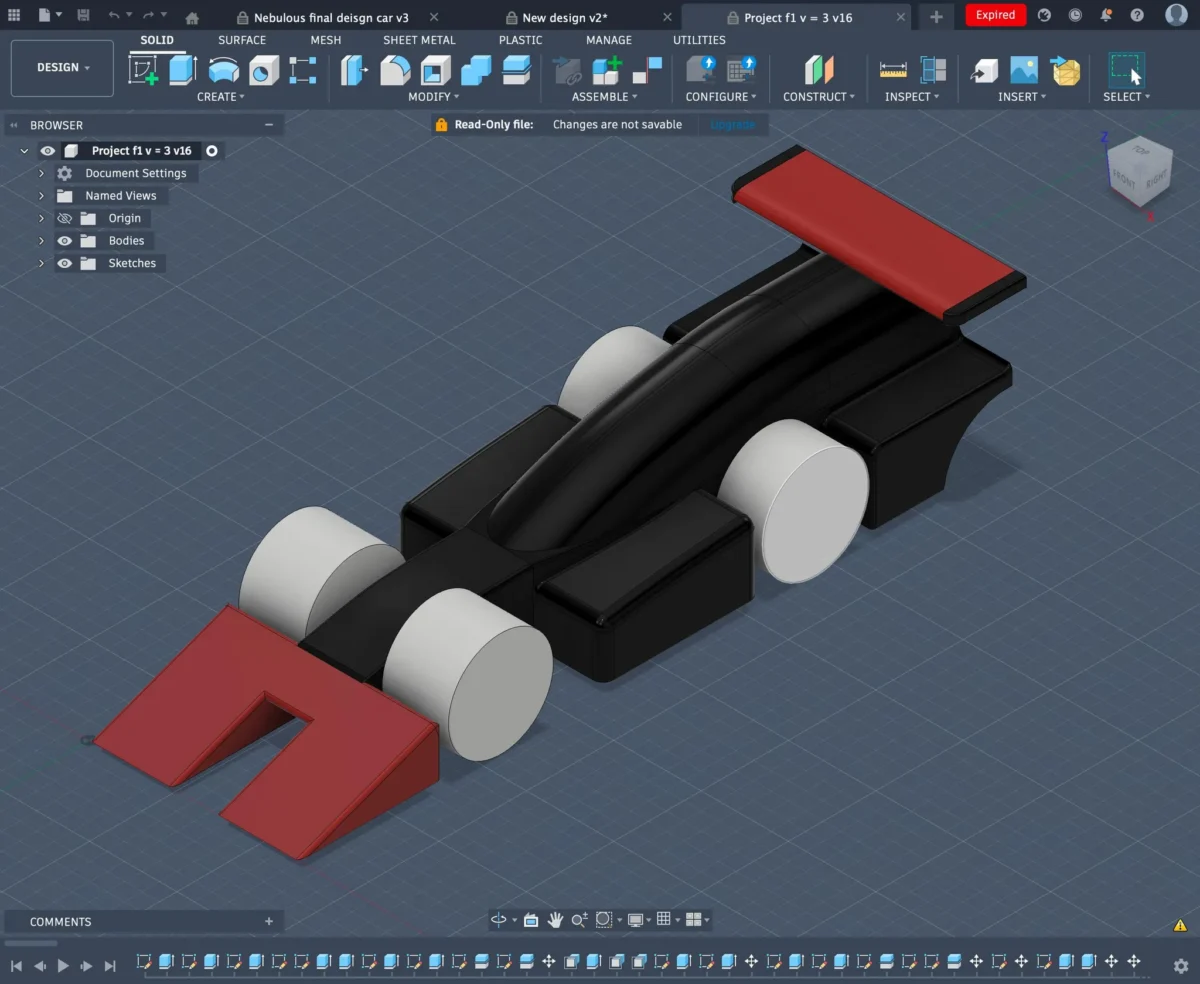
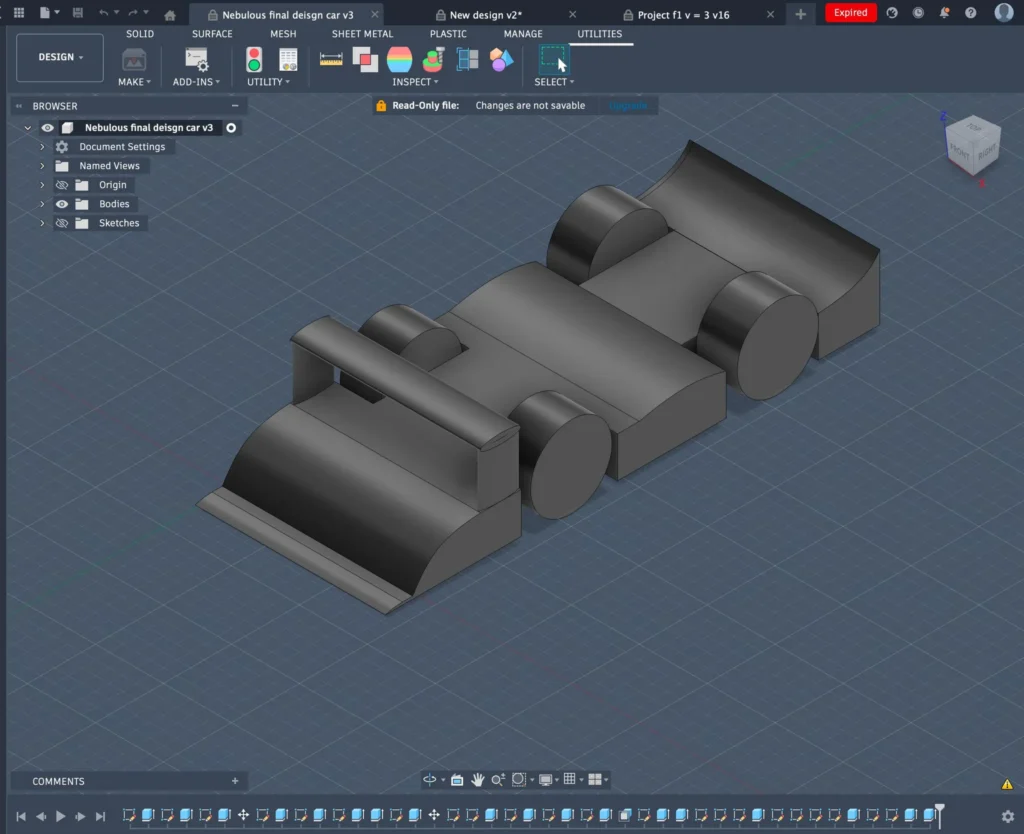
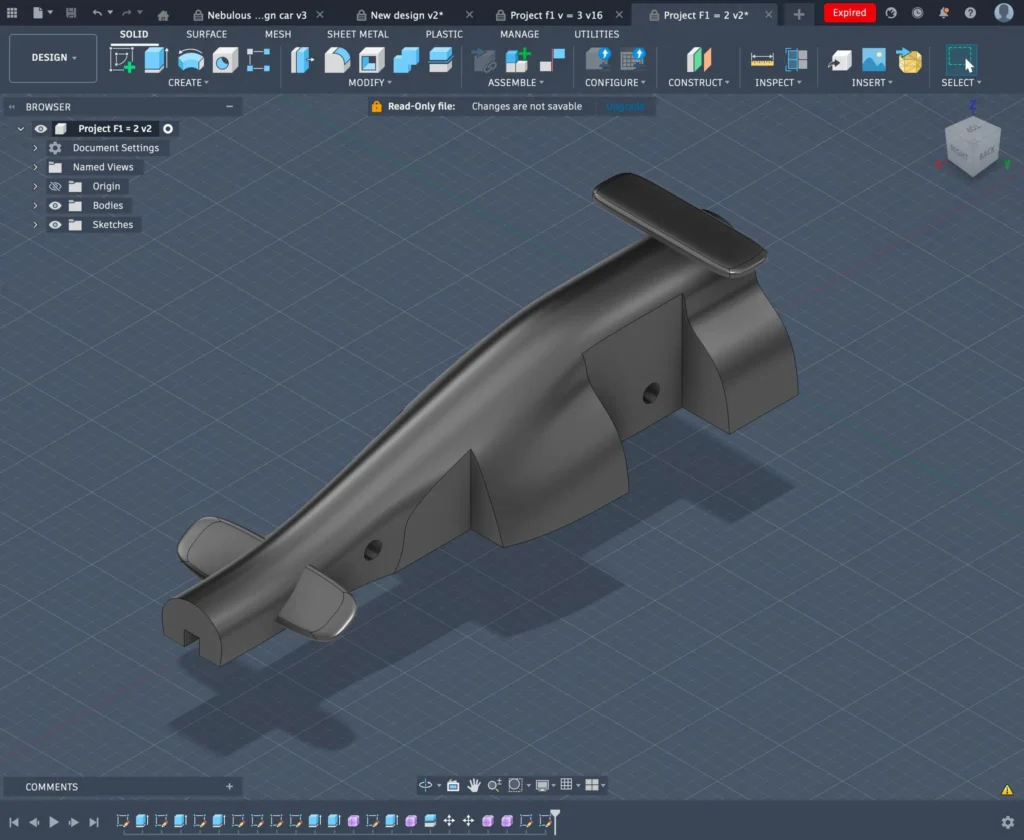
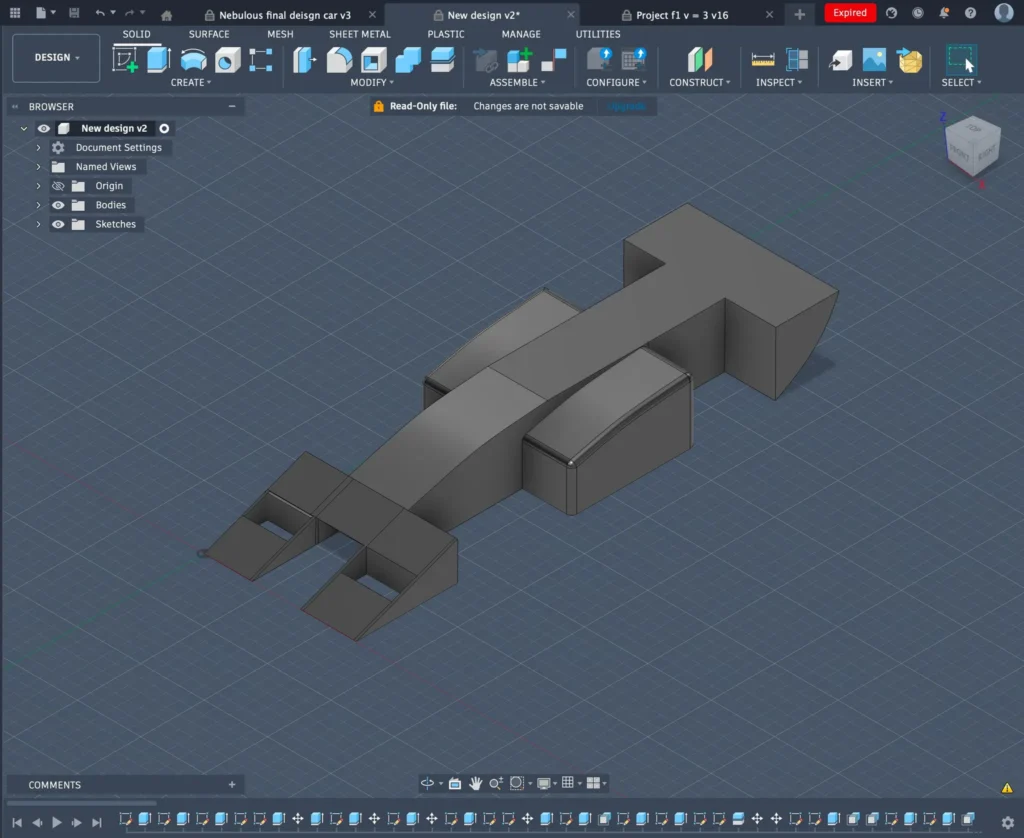
During MYP Year 4, I participated in the F1 in Schools STEM programme organised by STEM Club India a global challenge that introduces students to engineering design through the creation of a miniature Formula 1 car. As a member of Team CO₂, I took on the role of Design & Manufacturing Team Member, using Autodesk Fusion 360 to develop and refine the car’s 3D model across multiple design iterations.

What I Did:

The design process began with an initial CAD concept focused on stability and competition specifications, before progressing through aerodynamic refinement smoothing curves, improving airflow, and optimising the front wing for reduced drag. Each iteration taught me how small design adjustments directly impact performance. Working within a team where members handled design, manufacturing, sponsorship, and presentation also gave me my first real experience of how engineering projects depend on coordination and shared problem-solving.

Key Skills:

Autodesk Fusion 360 · CAD Modelling · Aerodynamics · Design Iteration · Team Collaboration

Key Learning:

This was my first hands-on experience with professional design software and the full engineering design process from concept to refined prototype. It sparked my deeper interest in mechanical design and aerodynamics.